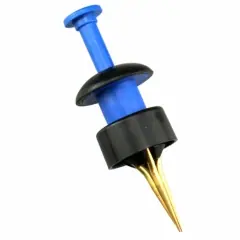
Clean, inspect and dry equipment in a sensible order. Tailor care to the exact model rather than applying one method to every material.
Overview
Read the information for the exact variant you plan to order. Check dimensions and units, and treat an absent specification as an open question rather than an implied feature. Published descriptions can guide a shortlist but do not replace a physical test. A claim about one configuration should not automatically be applied to another size or package.
On the water, record the conditions and change one variable at a time. Check the setup close to you before relying on it farther away. Notes about placement, settings, presentation and maintenance are more useful than a single successful or unsuccessful outing. Stop using damaged equipment and follow the instructions for the exact model.
Fish finders
Follow the manual for transducer placement and electrical protection. Check cables for damage, keep connectors dry before joining them and inspect mounts after transport. Use only the specified charging arrangements.
Underwater cameras
Protect the lens from abrasion, avoid sharp cable bends and follow the manual for handling the camera head. Dry connectors before storage and charge away from wet equipment using the specified charger.
Fishing rods
Inspect guides and joints, remove dirt gently and dry before storage. Protect the tip during transport and avoid bending against snags.
Fishing reels
Clean according to the model manual after each trip. Avoid forcing water into the mechanism and use only recommended lubrication points.
Lures & baits
Rinse when appropriate, dry hooks and check split rings. Keep soft plastics separated where materials may react, and cover exposed hooks.
Fishing lines
Inspect the working section for fraying or nicks, replace damaged lengths and store away from heat and sunlight.
Hooks & rigs
Check points and connections before fishing, replace bent or corroded parts and store sharp components securely.
Fishing tools
Remove salt and grit as instructed, dry moving parts and inspect cutters or locking joints before each trip.
Tackle storage
Dry equipment before packing, clean hinges and seals, and keep sharp hooks from loose fabric or battery compartments.
Fishing apparel
Follow the care label, dry thoroughly and inspect seams or fastenings. Avoid treatments that the fabric manufacturer does not recommend.
Landing nets
Rinse and dry the mesh, inspect joints and remove tangled hooks carefully. Follow local cleaning guidance when moving between waters.
Bite alarms
Test the alarm before fishing, protect battery contacts and remove exhausted cells. Keep the setup attended and observe venue rules.
What to check first
Evaluate Tackle storage by usable internal space, compartment layout and how it opens in your fishing position.
An outer size does not equal usable volume. A closed lid or zipper alone does not establish waterproof protection.
Compare the complete usable setup. Include power, mounting, cables, storage and replacement consumables where relevant. Ask which parts are supplied and which are optional; a low headline price can describe a different package from the one you need. Send the model reference and unresolved questions together so the response can address a precise configuration.
Product information source: Shimano; Shimano
Comments 0
No comments yet. Add a useful observation or question.