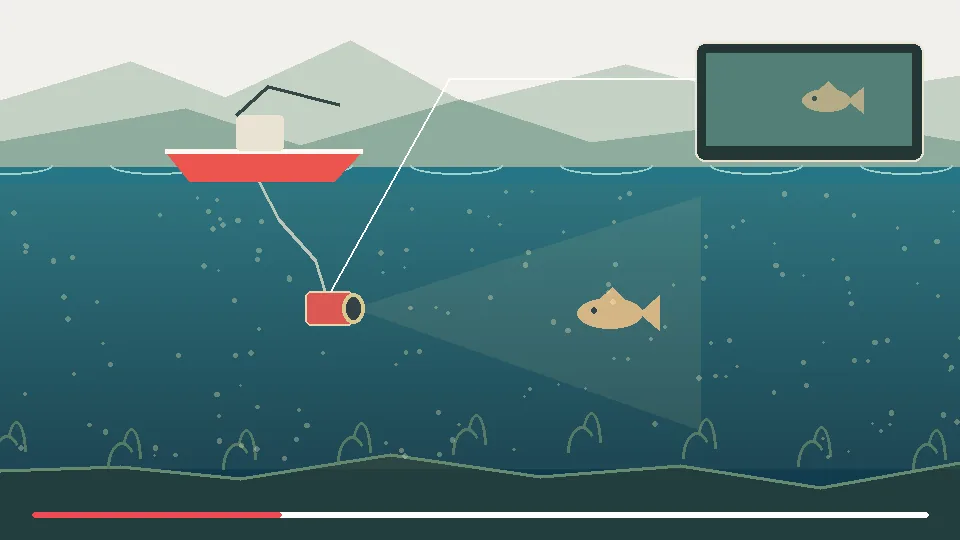
Understand the practical limits of underwater viewing and the difference between cable reach, image resolution and visible distance.
Overview
Begin with a short description of the trip: where you fish, the usual water depth, the fish you target and the space available for carrying or mounting equipment. Separate essential requirements from convenient extras. Keep that description beside your shortlist so each product is judged against the same task rather than against an attractive photograph.
Suitable uses
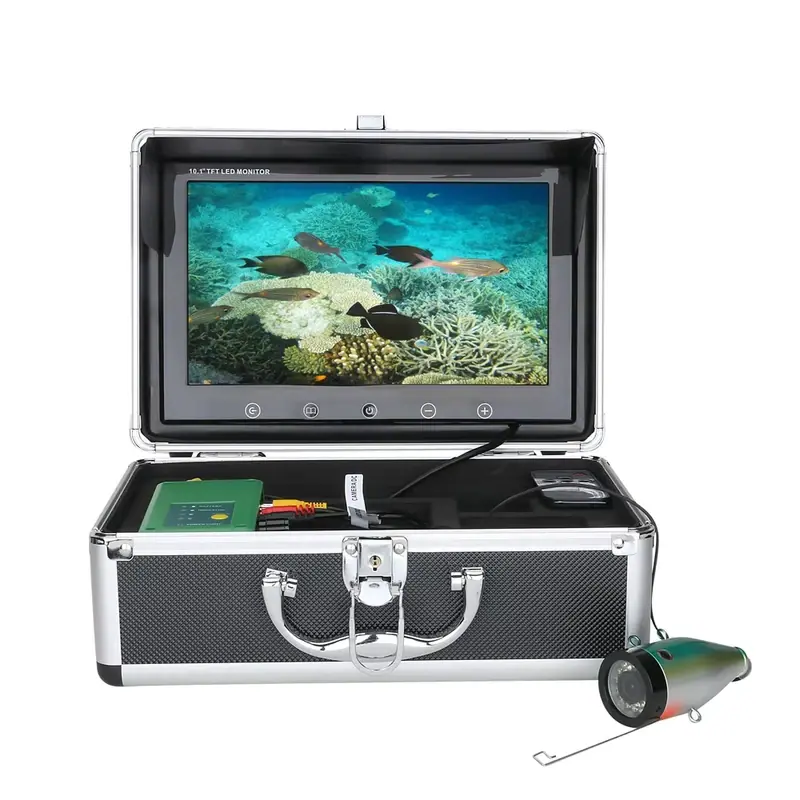
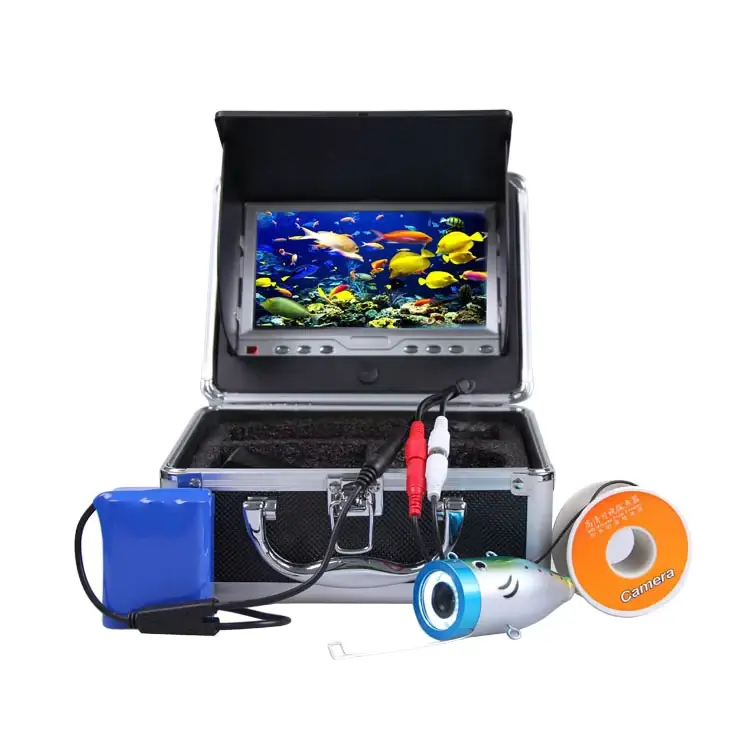
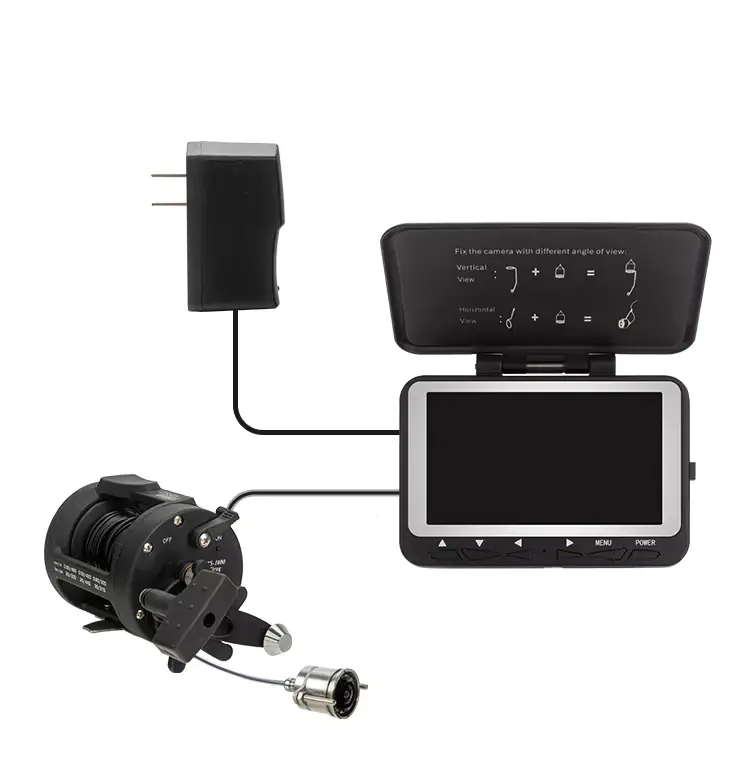
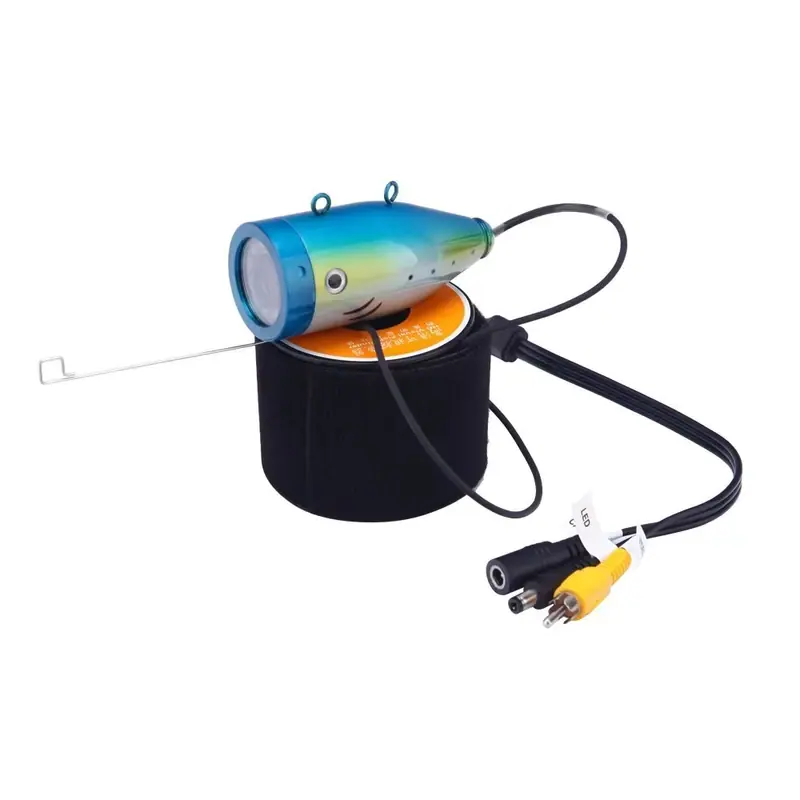
For Underwater cameras, separate the camera’s viewing capability from the monitor specification. Useful comparisons include lens direction, cable management, illumination controls and how easily the complete system can be positioned.
A camera can help inspect a small area, bait presentation or bottom cover when visibility allows. Decide whether you need a live view only or locally stored recordings before comparing packages.
What to check first
Confirm the camera head’s depth rating, cable length, connector seals, monitor brightness, battery arrangement and whether recording is included. Ask for the exact accessory list and replacement-cable availability.
Compare the complete usable setup. Include power, mounting, cables, storage and replacement consumables where relevant. Ask which parts are supplied and which are optional; a low headline price can describe a different package from the one you need. Send the model reference and unresolved questions together so the response can address a precise configuration.
Limits to consider
Water clarity, available light and suspended particles constrain optical visibility. Extra pixels or brighter lights cannot guarantee a clear view in muddy water; cable length is not the same as viewing distance.
Read the information for the exact variant you plan to order. Check dimensions and units, and treat an absent specification as an open question rather than an implied feature. Published descriptions can guide a shortlist but do not replace a physical test. A claim about one configuration should not automatically be applied to another size or package.
Care and maintenance
Protect the lens from abrasion, avoid sharp cable bends and follow the manual for handling the camera head. Dry connectors before storage and charge away from wet equipment using the specified charger.
On the water, record the conditions and change one variable at a time. Check the setup close to you before relying on it farther away. Notes about placement, settings, presentation and maintenance are more useful than a single successful or unsuccessful outing. Stop using damaged equipment and follow the instructions for the exact model.
Product information source: MarCum
Comments 0
No comments yet. Add a useful observation or question.